Sunday, October 18, 2026

Introduction to Culturally Relevant Pedagogy & What to Look for in a Classroom - Alfie Kohn

Connection

The video, Introduction to Culturally Relevant Pedagogy, and Alfie Kohn’s article “What to Look for in a Classroom” connect through the idea that students should be active in their own learning. Both challenge the traditional view that teachers should simply deliver information while students sit quietly and follow directions. There is an emphasis on creating classrooms that respond to students’ needs, encourage participation, and make learning a lot more meaningful.

The video explains the importance of connecting classroom learning to students’ cultural backgrounds and everyday experiences. Students bring different perspectives, knowledge, and experiences into the classroom, and teachers should recognize these as valuable parts of the learning process. This connects to Kohn’s article, which describes classrooms where students’ interests and questions help shape learning. Kohn emphasizes that teachers should work with students rather than simply making decisions for them. 

These readings made me think about how classroom success is measured. A classroom where everyone is quiet and completing assignments might look good, but that doesn't necessarily mean students are engaged or feel included. A stronger learning environment makes students more comfortable asking questions, making connections, collaborating, and sharing their thinking. As a future educator, I want to create a classroom where students feel comfortable expressing themselves and where lessons connect to their lives. I recognize that this requires more than choosing diverse books or activities; it means consistently listening to students and considering their needs when planning instruction.

Question

How can teachers balance curriculum requirements with giving students meaningful choices and incorporating their cultural backgrounds into lessons?

Download Classroom Peaceful View Image - Classroom, Window, Teacher |  StockCake


I did not use AI for this blog post.

Tuesday, October 6, 2026

The Silenced Dialogue: Power and Pedagogy in Educating Other People’s Children - Lisa Delpit

Reflection

    Something I took away from this reading is understanding the importance of valuing students' different cultures and experiences. Delpit explains that schools and classrooms are influenced by a “culture of power,” meaning that certain ways of speaking, behaving, and learning are often treated as the standard. This made me think about how important it is for teachers to recognize that students may come into the classroom with different backgrounds, experiences, and ways of communicating. I want to create a classroom where students feel like their cultures and different experiences are valued while also teaching them the content and skills they need.

    I also realized while reading that listening to different teachers and their perspectives is so important. Delpit says that ideas and experiences of educators of color have sometimes been overlooked when decisions are made. This made me think about how teachers can have very different perspectives based on their own experiences and the students they work with. A teacher who has a different background or has worked with a certain group of students may have ideas that others would not have considered. Listening to those many perspectives can help all teachers become more effective and make better decisions for their students.

Comments

    Delpit made me think about how teachers can unintentionally decide what is “normal” in a classroom. I think listening to students and teachers can help us recognize our assumptions, and then we can create a classroom that is more inclusive.

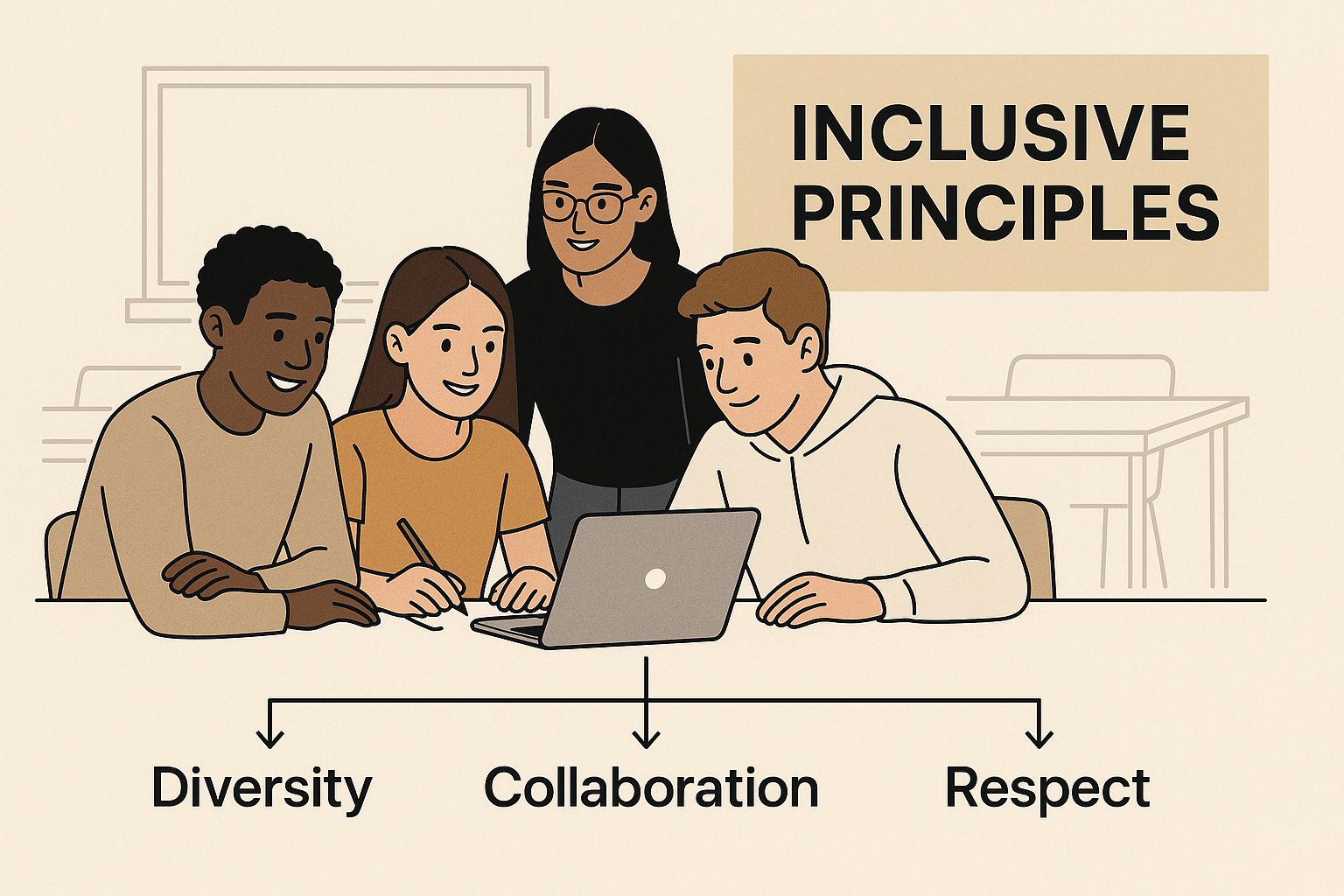
What is an Inclusive Education? A Complete Guide - Queen's Online School

I did not use AI for this blog post.

What Will Stick With Me

1. Shifting the Paradigm One of the biggest things that will stick with me is the importance of using an asset-based approach when working w...